
 Español
 Portuguese
Professional Paint Spraying Systems: Complete Guide to Choosing the Best Equipment
The final finish in professional painting projects does not depend solely on the coating material used. A key factor to consider is the spraying system applied. Choosing between airless, aerographic systems, HVLP or air-assisted airless systems can make the difference between a standard result and a high-quality finish, as each system is designed for specific applications. Understanding how each system works and when to use it is essential to optimise working time, reduce costs and improve results.
In this complete guide, we analyse all professional paint spraying systems, their applications, advantages and differences, helping you make the best decision for your project.
Airless Paint Sprayers: Maximum Productivity with Professional Finish
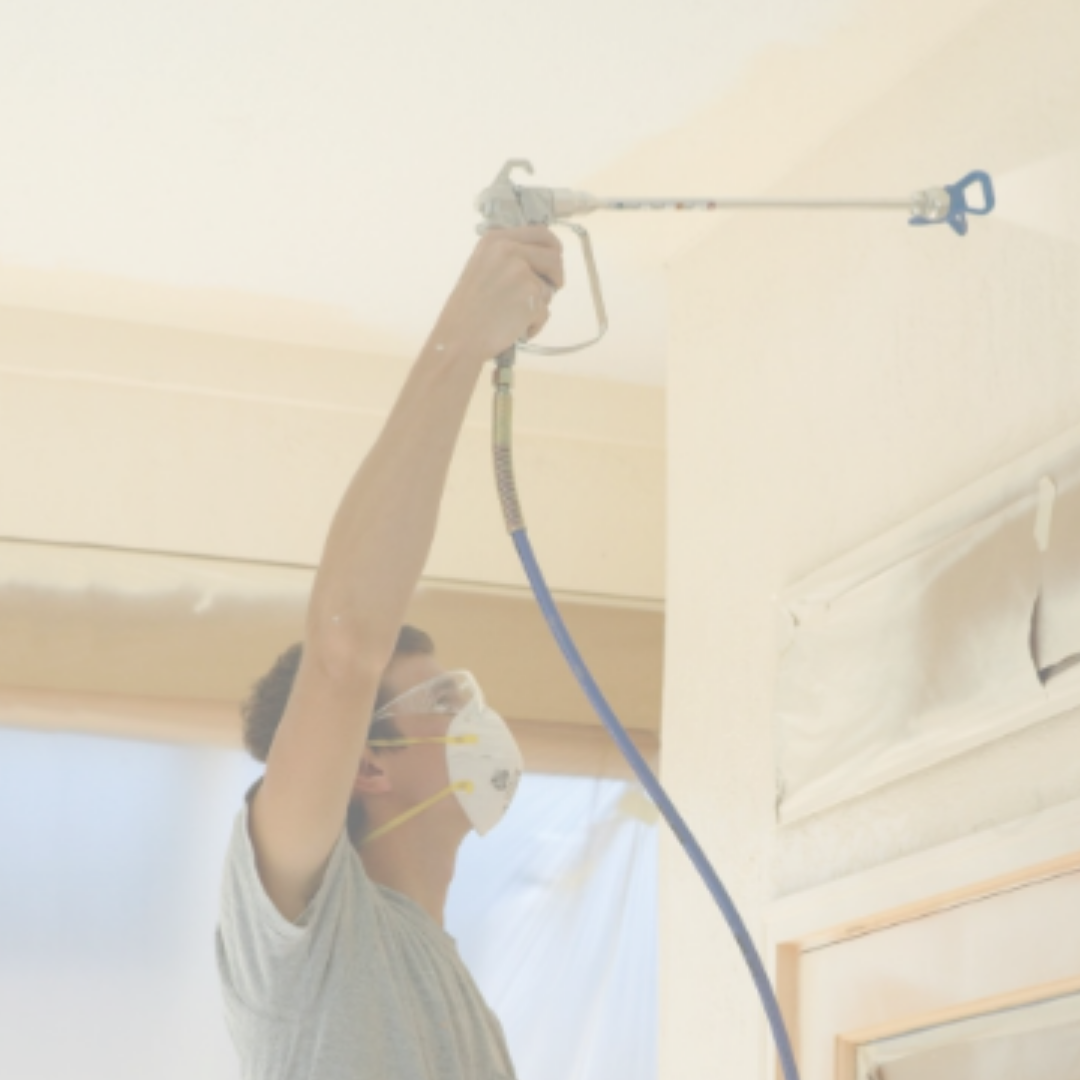
Airless paint sprayers are among the most widely used systems by professional painters because they allow large volumes of material to be applied quickly while maintaining a consistent finish.
How does an airless paint sprayer work?
The airless spraying system works by forcing paint through a spray tip at high pressure, without using compressed air. A pump delivers the coating through the nozzle, atomizing the material as it exits. This allows for fast, even and efficient application.
Benefits of airless paint spraying
✔ High application speed
✔ Excellent coverage in fewer passes
✔ Reduced job time
✔ Suitable for high-viscosity coatings
Most common airless applications
- Interior emulsion and latex paints
- Exterior walls and facades
- Industrial buildings and warehouses
- New construction and renovation
- Fillers and plaster application
Choose Airless if:
- You work on construction and renovation projects
- You need maximum speed and productivity
- You apply emulsion paint or heavier materials
The airless paint sprayer is the best option when the goal is to cover more surface in less time, making it the standard choice for professional painting contractors.
Aerographic Spray Systems: Maximum Precision and Control
Aerographic spray systems use compressed air to atomize paint, giving the operator precise control over the spray pattern and final finish.

How does an aerographic spray system work?
Compressed air mixes with the coating material and atomizes it into a very fine spray, allowing for a smooth, accurate and highly controlled finish.
Benefits of aerographic spray systems
✔ Premium finish quality
✔ Full spray pattern control
✔ Precise application on small parts and detailed areas
✔ Excellent for low-viscosity coatings
Most common aerographic applications
- Automotive refinishing
- Industrial finishing
- Varnishes and lacquers
- Precision and detail work
- Metal parts and components
Choose Aerographic if:
- You need a premium-quality finish
- You work in automotive or industrial finishing
- You require maximum precision
In short, the aerographic spray system is ideal when the priority is a flawless finish and every detail matters.
HVLP Spray Systems: High-Quality Finish with Minimal Overspray
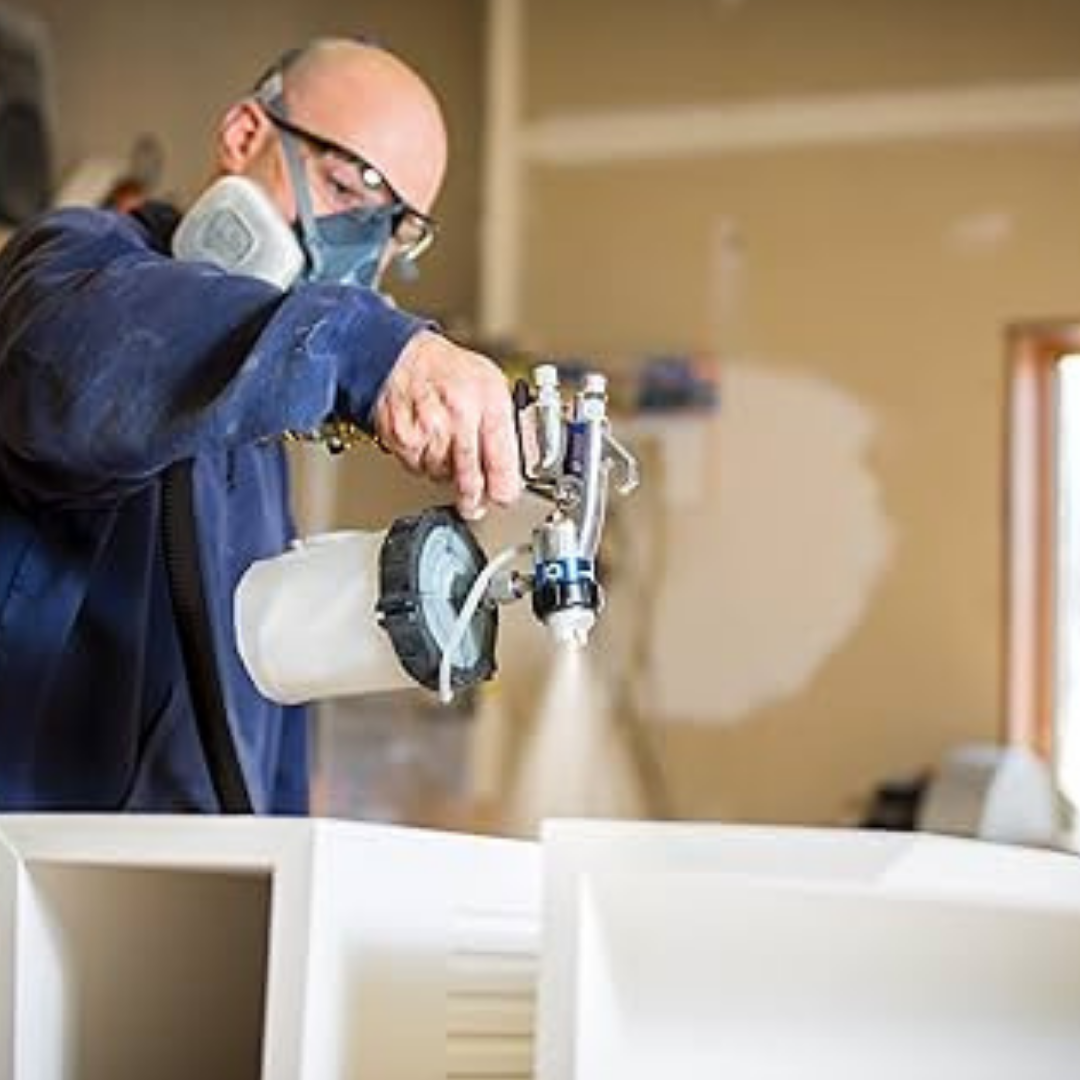
HVLP spray systems (High Volume Low Pressure) are designed to maximise transfer efficiency while reducing paint waste and overspray.
How does an HVLP spray system work?
The HVLP system creates a smooth and controlled spray pattern by using a high volume of air at low pressure. This results in better transfer efficiency and less bounce-back.
Benefits of HVLP spray systems
✔ Reduced overspray
✔ Better material transfer efficiency
✔ Fine and uniform finish
✔ Cleaner working environment
Most common HVLP applications
- Woodworking and joinery
- Furniture finishing
- Doors and cabinets
- Interior lacquering
- Workshop finishing jobs
Choose HVLP if:
- You work in joinery or furniture finishing
- You want to reduce paint consumption
- You need a fine, high-quality finish
As we have seen, the HVLP spray system is the best choice when you need high finish quality and material savings, especially for interior and finishing applications.
Air-Assisted Airless Systems: The Right Balance Between Quality and Productivity
Air-assisted airless systems combine airless fluid pressure with a small amount of air to improve atomisation and finishing quality.

How does an air-assisted airless system work?
The coating material is delivered under pressure, as in an airless system, but a small amount of air is added at the cap to refine atomisation and improve the finish.
Benefits of air-assisted airless systems
✔ Better finish than standard airless
✔ Reduced overspray
✔ Greater spray control
✔ Good working speed and productivity
Most common air-assisted airless applications
- Industrial finishing
- Industrial woodworking
- Enamel application
- Production lines
- Technical and protective coatings
Choose Air-Assisted Airless if:
- You need the right balance between finish and output
- You work in industrial or production environments
- You want high finish quality without losing efficiency
In summary, the air-assisted airless system is the perfect solution when you need to balance productivity and finishing quality.
Key Factors That Affect Paint Finish Quality
Beyond the spray system itself, several factors directly influence the final finish:
1. Spray tip selection
The choice of spray tip directly affects finish quality, material consumption and spray pattern. In this post, we explain the key factors to help you choose the right spray tip size.
2. Working pressure
Incorrect pressure settings can cause defects such as uneven atomisation, poor spray pattern or excessive mist.
3. Material viscosity
Each spray system has an optimal viscosity range for best performance.
4. Operator technique
Application distance, hand speed and spray angle are essential for achieving a professional result.
| System | Productivity | Finish Quality | Control | Material Use | Best Application |
|---|---|---|---|---|---|
| Airless | Very high | Medium | Medium | Medium | Large surfaces |
| Aerographic | Low | Very high | Very high | High | Detail / industrial finishing |
| HVLP | Medium | High | High | Low | Woodworking |
| Air-Assisted Airless | High | High | High | Medium | Industrial finishing |
Choosing the right paint spraying system is a key decision that directly affects finish quality, productivity and job profitability.
- Airless leads in speed
- Aerographic leads in precision
- HVLP leads in efficiency
- Air-Assisted Airless leads in balance
The key is to match the technology to the application.
At Jomar, we help professionals choose the spray system that best fits their work, with expert technical advice and a wide range of professional equipment and accessories. Contact us and we will help you take your finishing work to the next level.
Share on

