
 Español
 Portuguese
Sandblasting and Industrial Painting Solutions: How to Choose the Right System for Every Application
The key to a long-lasting industrial finish is not just the coating itself. Surface preparation and the application of industrial coatings are two inseparable stages that ensure the durability, protection and quality of any metal structure or industrial surface.
When this process is carried out correctly and with the right equipment, the result is a professional, high-quality finish. In addition, it delivers significant benefits for your business, including reduced application times, optimized material consumption and increased productivity.
In this guide, we explore the main sandblasting and industrial painting solutions, their applications and the key factors to consider when selecting the most suitable equipment for your needs.
Why Is Proper Surface Preparation So Important?
As mentioned earlier, achieving a high-quality finish requires careful attention to both surface preparation and paint application. Proper surface preparation is essential before applying any industrial coating.
Untreated surfaces often contain rust, old paint, grease, mill scale or other surface contaminants that can lead to problems such as:
- Poor coating adhesion.
- Premature coating failure.
- Corrosion development.
- Uneven surface finishes.
- Reduced service life of the protective coating system.
For this reason, surface preparation is an essential step before applying any industrial paint or protective coating.
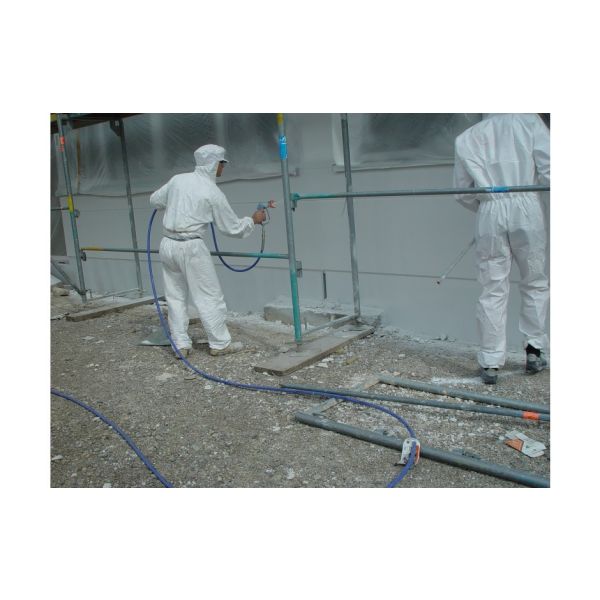
Sandblasting: The Most Effective Solution for Surface Preparation
Abrasive blasting remains the most effective method for removing contaminants and creating the surface profile required to ensure the proper adhesion of industrial coatings.
Depending on the requirements of each project, either pressure sandblasting or low-pressure abrasive blasting can be used.
Pressure Sandblasters: The Professional Solution for Abrasive Blasting
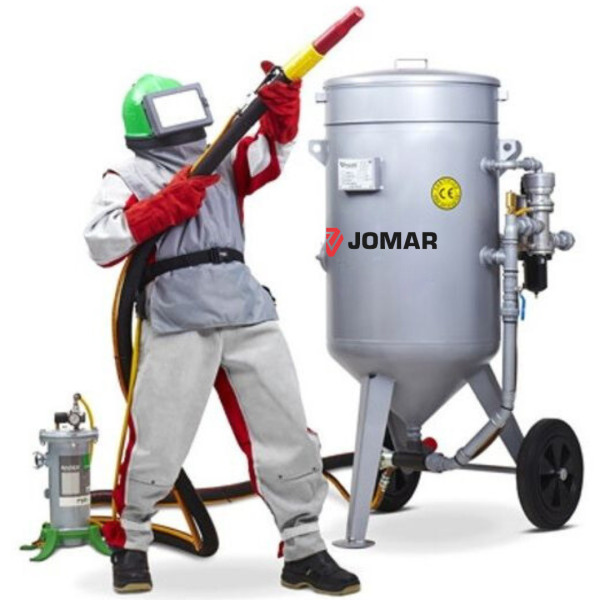
Pressure sandblasters are the most widely used solution in industry for surface preparation through abrasive blasting. Designed to deliver a continuous abrasive flow and outstanding performance, they efficiently remove rust, old paint, mill scale and other contaminants before the application of protective coatings or industrial paint.
Thanks to their robust construction and the availability of different capacities, these machines are suitable for both maintenance work and high-production industrial applications. Choosing the right model depends on the workload, the type of abrasive being used and the level of autonomy required during the blasting process.
Key Advantages
- High performance for surface cleaning and preparation.
- Consistent and uniform abrasive flow.
- Compatible with a wide range of blasting abrasives.
- Available in different capacities to suit every application.
- Heavy-duty equipment designed for intensive professional use.
- Compatible with a variety of metering and remote control systems.
Typical Applications
- Steel structures.
- Steel fabrication.
- Shipyards.
- Storage tanks and vessels.
- Bridges.
- Industrial machinery.
- Petrochemical industry.
- Industrial maintenance.
- Metal restoration.
At Jomar, we offer a comprehensive range of professional pressure sandblasters, together with all the accessories required to configure each system according to your project requirements, including metering valves, blast hoses, nozzles, remote control systems and operator protective equipment.
Low-Pressure Abrasive Blasting Equipment
When it is necessary to control the aggressiveness of the abrasive or reduce material consumption, low-pressure blasting systems provide an excellent alternative.
They are commonly used for:
- Restoration.
- Natural stone.
- Wood.
- Building façades.
- Delicate cleaning applications.
In addition, they reduce dust generation and provide the operator with greater control during the blasting process.

Which Sandblaster Capacity Should You Choose?
Choosing the right capacity has a direct impact on job productivity.
- 20 litres: ideal for occasional jobs and small-scale applications.
- 60 litres: a versatile solution for industrial maintenance.
- 100 litres: a well-balanced solution for regular professional use.
- 200 litres: recommended for continuous operation and large surface areas.
- 300 litres: designed for maximum-productivity industrial applications and extended working shifts.
Industrial Painting Equipment for Large-Scale Projects and Heavy-Duty Applications
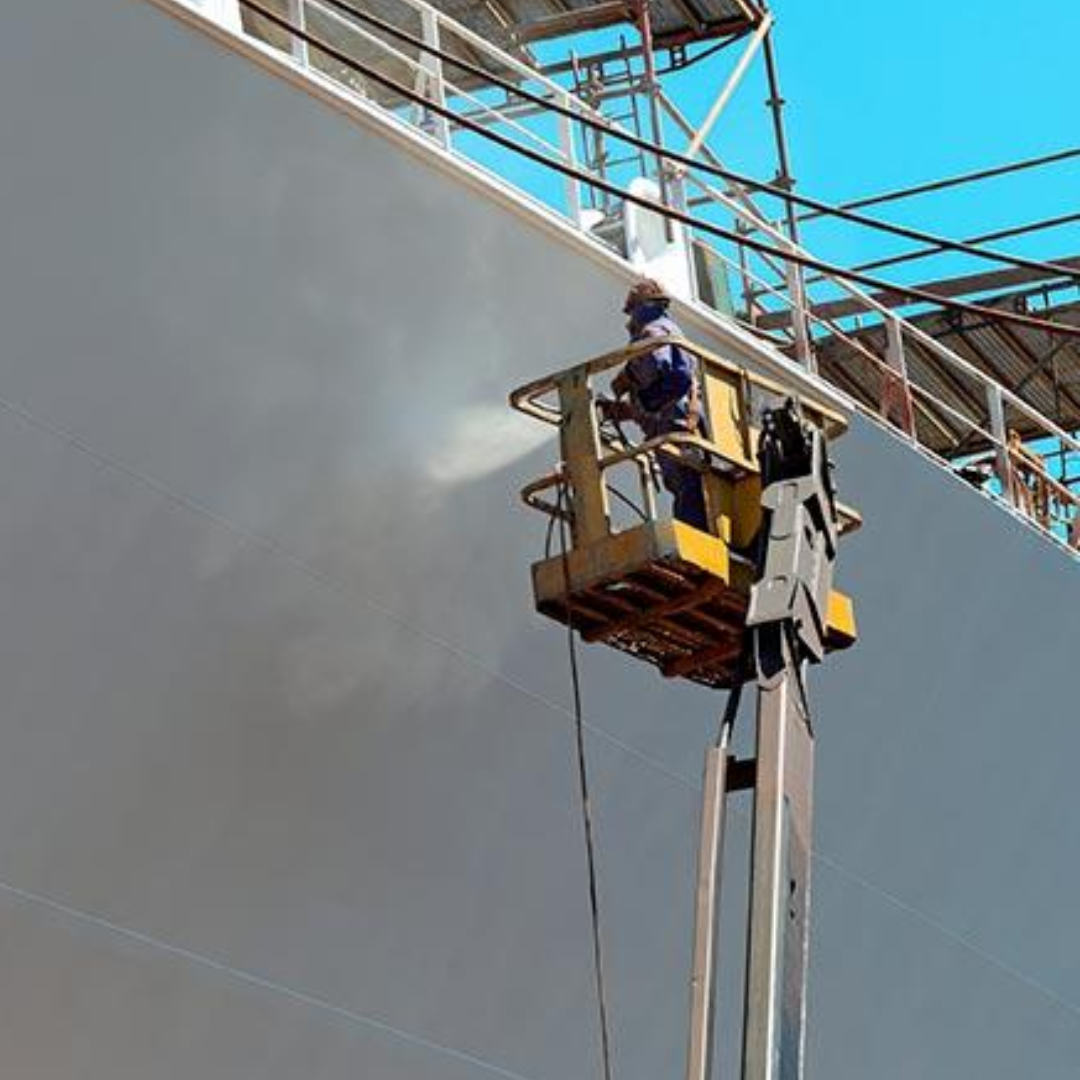
Once the surface has been properly prepared, the next step is applying the protective coating. For large-scale industrial projects, selecting the right spray equipment is essential, as it directly impacts productivity, finish quality and overall application costs.
High-performance industrial painting equipment is designed to operate continuously, withstand long working hours and spray high-viscosity materials without pressure loss or compromising application quality. They are the ideal solution for companies that need to cover large areas, apply high-performance coatings or increase production capacity.
Key Features
- High flow rate for maximum productivity.
- Designed for continuous operation during extended working shifts.
- Suitable for spraying high-viscosity materials.
- Capability to operate with one or multiple spray guns simultaneously.
- Designed for demanding industrial applications.
- Outstanding reliability and durability in heavy-duty working environments.
Typical Applications
- Industrial buildings.
- Steel structures.
- Heavy steel fabrication.
- Shipyards.
- Storage tanks and vessels.
- Industrial plants.
- Bridges and infrastructure.
- Application of anti-corrosion coatings, epoxies, intumescent coatings and other high-build protective coatings.
Depending on the requirements of each project, you should choose between electric or pneumatic airless sprayers.
High-Performance Electric Airless Sprayers
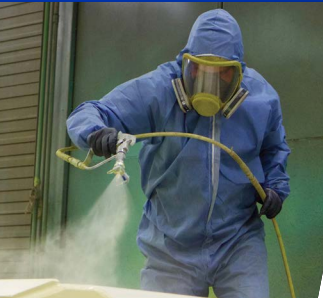
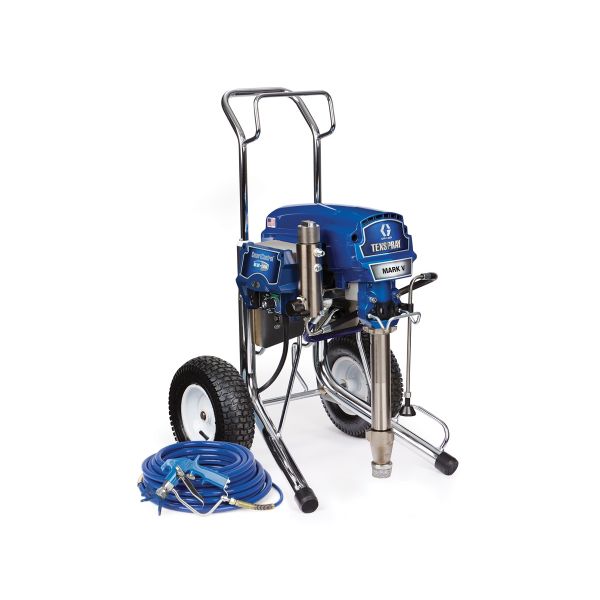
Heavy-duty electric airless sprayers are designed for contractors carrying out continuous on-site work who need to combine maximum productivity with ease of operation. Thanks to their high flow rate and their ability to spray high-viscosity materials, they are the preferred solution for high-volume professional painting applications.
Key Features
- High flow rate for large surface areas.
- Continuous operation during extended working hours.
- Capable of spraying high-viscosity materials.
- Can operate with multiple spray guns simultaneously.
- Easy to transport and quick to set up.
Typical Applications
- Industrial buildings.
- Building façades.
- New construction projects.
- Large surface areas.
- Emulsion paints.
- Plasters and fillers.
- High-build coatings.
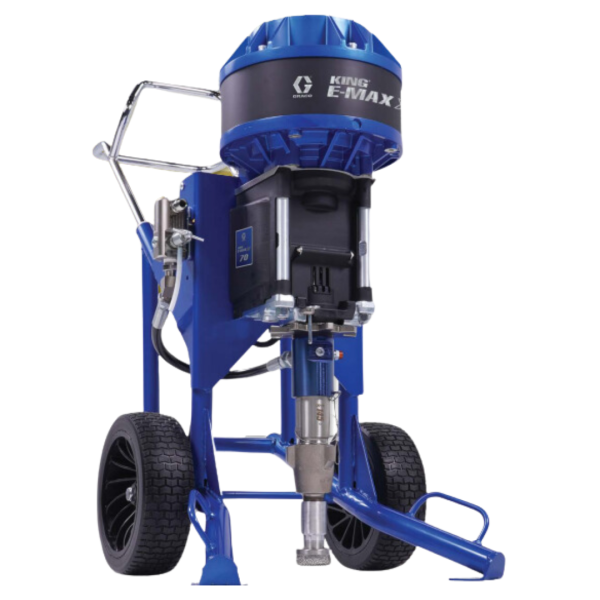
Pneumatic Airless Sprayers for Industrial Applications
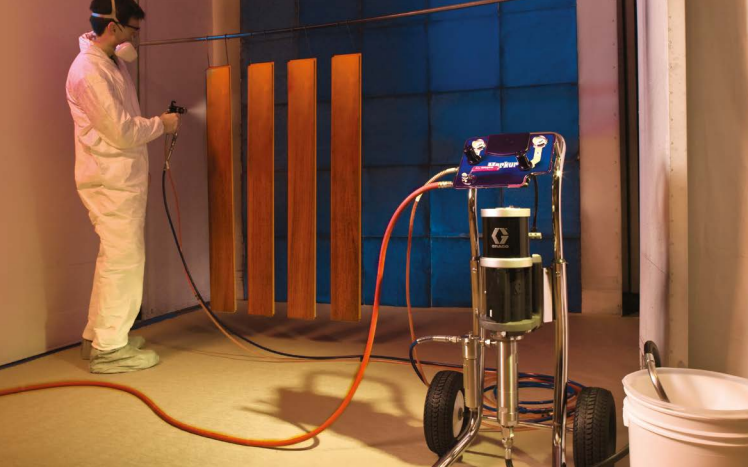
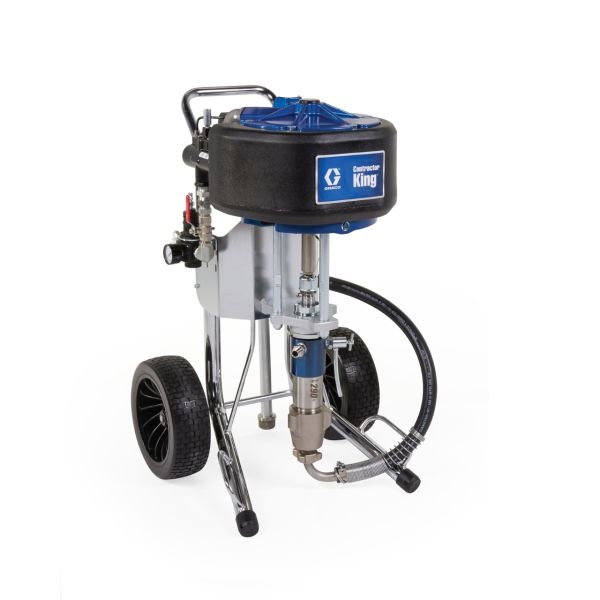
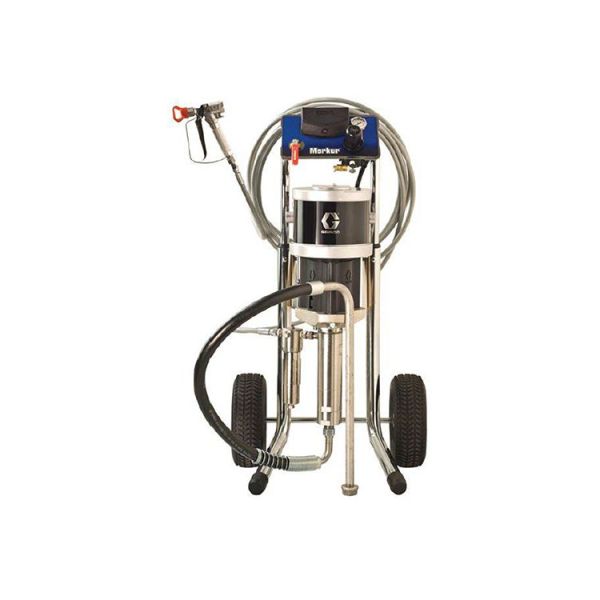
Pneumatic airless sprayers use compressed air as their power source and are specifically designed for high-demand industrial applications. They stand out for their reliability, their ability to operate at very high pressures and their outstanding performance when applying protective and industrial coatings.
They are the preferred choice in industries where equipment must operate continuously with very high-viscosity materials or in facilities already equipped with a compressed air network.
Key Features
- Powered by compressed air.
- Very high working pressure.
- Maximum reliability in industrial applications.
- Ideal for high- and very-high-viscosity materials.
- Designed for intensive and continuous operation.
Typical Applications
- Corrosion protection.
- Epoxy coatings.
- Polyurethane coatings.
- Intumescent coatings.
- Marine industry.
- Steel fabrication.
- Steel structures.
- Petrochemical plants.
- Industrial manufacturing.
Whether in surface preparation using abrasive blasting or in the application of industrial coatings, choosing the right technology is essential to ensure finish quality, increase productivity and optimise the cost of each project.
If you are looking for the best solution for surface preparation, industrial coating application or improving your company’s productivity, our technical team will help you select the technology that best meets your requirements.
Share on

